Why the sample room still decides the order
A screen can show you a colour. It cannot show you how the cloth falls off the edge of a table.
Most of our first conversations now start with a photograph. A buyer sends a reference, we send back a match, and within a day two people who have never touched the same piece of cloth are negotiating a price. It works — until it does not.
What a photograph cannot carry
Weight, for one. A 120 GSM viscose and a 178 GSM polyester can photograph identically under studio light and behave nothing alike on a body. Drape, for another: the way a cloth falls is a function of weight, twist and finish together, and none of those are visible.
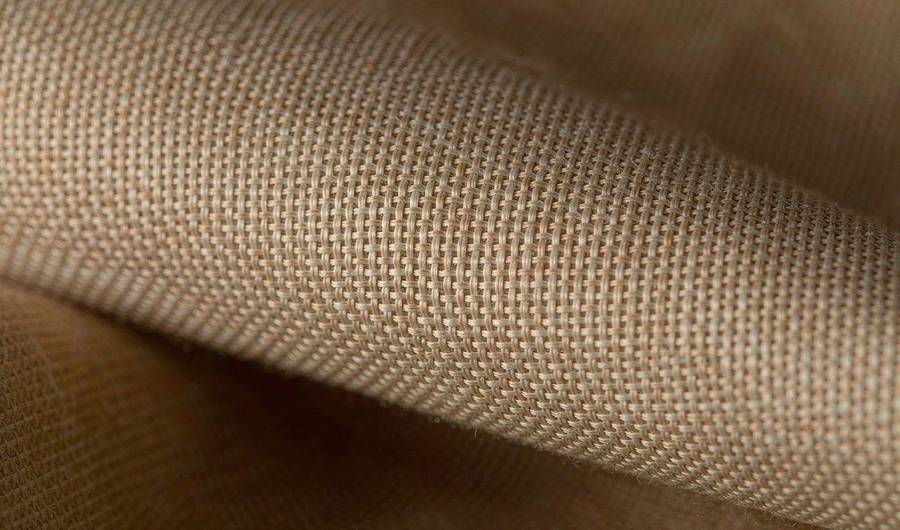
Then there is the hand. Crisp, dry, fluid, chalky, cool — buyers use these words constantly and they are not measurable. The only way to agree on them is to hold the same sample.
What happens in the room
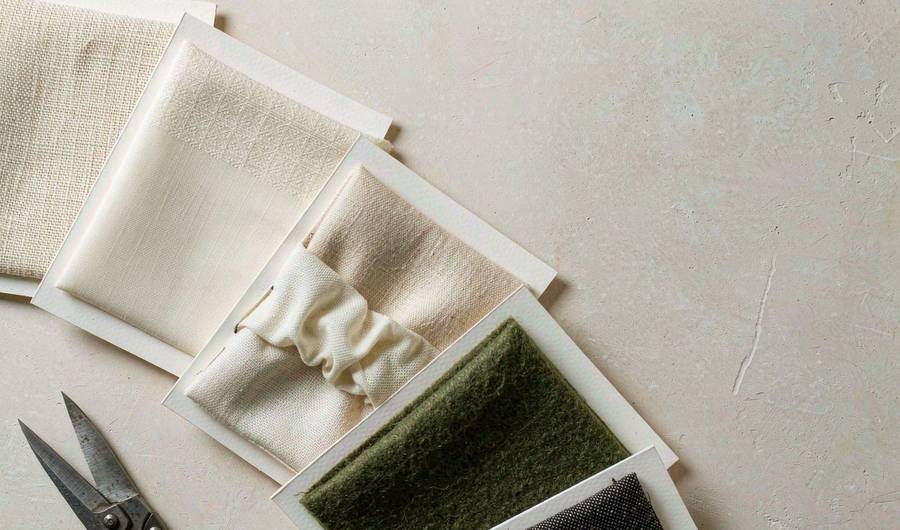
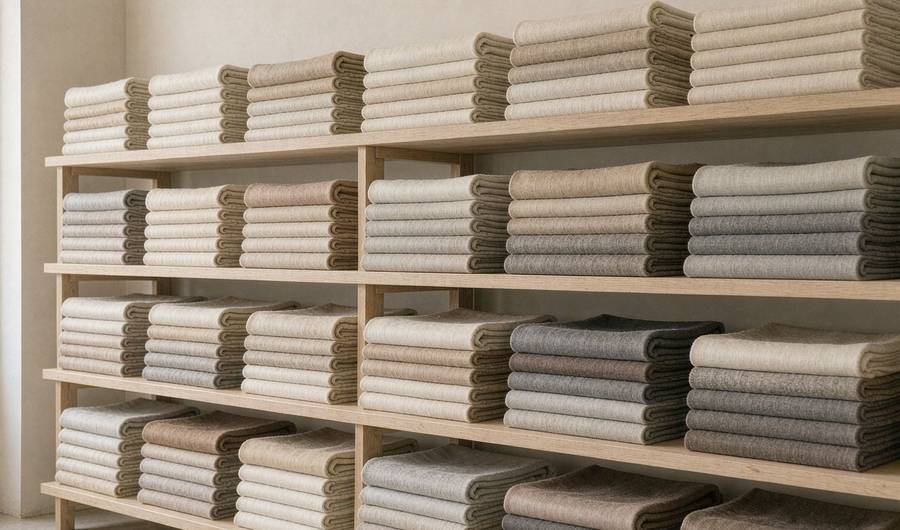
A reference arrives. We pull the nearest qualities from the shelf, lay them side by side under daylight, and narrow to two or three. Those get cut into swatches, labelled with item number, composition, width and weight, and sent out.
If nothing on the shelf is close, we develop. That means a loom trial, a dye lot, and a finished sample — a few weeks, and a cost that is usually credited against the bulk order.
Confirming well
- Ask for the swatch in the finish you will actually buy, not the greige.
- Keep a retained sample of the approved lot, signed and dated.
- Compare under daylight, not office lighting — the same cloth reads warmer under tungsten.
A swatch is a small object that carries a large number of decisions.
Send us the reference. We will send back cloth, not a picture of cloth.
Working on a quality?
Send the reference and the end use. We will send back cloth, not a picture of cloth.